
Pediatric Surgery: Common Procedures and What to Expect for Parents

Introduction: Pediatric surgery involves surgical interventions tailored specifically for children, addressing a wide range of medical conditions. As a parent, it’s natural to have concerns and questions when your child requires surgery. In this article, we will discuss common pediatric surgical procedures and provide valuable insights to help parents better understand what to expect before, during, and after their child’s surgery.

  1. Tonsillectomy and Adenoidectomy: Tonsillectomy and adenoidectomy are common surgical procedures performed to remove the tonsils and adenoids. These procedures are often recommended for children with recurrent throat infections, sleep apnea, or other related conditions. Parents can expect their child to undergo general anesthesia, followed by a relatively short recovery period.
  2. Hernia Repair: Hernias, which occur when an organ or tissue pushes through a weak spot in the abdominal wall, can also affect children. Hernia repair surgery involves the placement of a mesh or sutures to reinforce the weakened area. This procedure is typically performed under general anesthesia, and most children can resume regular activities within a few weeks.
  3. Appendectomy: Appendectomy is the surgical removal of the appendix, usually due to appendicitis. This procedure is commonly performed in children to prevent complications such as a ruptured appendix. Appendectomy is typically done using minimally invasive techniques, resulting in smaller incisions, less postoperative pain, and faster recovery.
  4. Circumcision: Circumcision is a surgical procedure involving the removal of the foreskin from the penis. This elective procedure is often performed shortly after birth or during early infancy. While the decision to opt for circumcision is personal and may have cultural or religious considerations, the procedure itself is generally safe and well-tolerated.
  5. Ear Tubes Placement: Children with persistent ear infections or fluid buildup in the middle ear may require the placement of ear tubes. This surgical procedure involves creating a small incision in the eardrum and inserting tiny tubes to promote proper drainage and prevent recurrent infections. The procedure is typically performed under general anesthesia and offers relief for children suffering from chronic ear problems.

What to Expect: Before your child’s surgery, you can expect to meet with the surgical team to discuss the procedure, address any concerns, and receive detailed instructions for preoperative preparation. On the day of the surgery, your child will be given anesthesia by an experienced pediatric anesthesiologist. Throughout the procedure, the surgical team will closely monitor your child’s vital signs and ensure their comfort and safety.

Following the surgery, your child will be taken to a recovery area where they will be carefully observed until they wake up from anesthesia. Depending on the procedure, your child may need to stay overnight in the hospital for further monitoring or be discharged on the same day. The healthcare team will provide postoperative instructions, including pain management, wound care, and guidelines for a smooth recovery.

Conclusion: Pediatric surgery encompasses various procedures designed to address specific medical conditions in children. By familiarizing yourself with common procedures and understanding what to expect, you can feel more confident and informed as a parent. Remember, each child and surgery is unique, so it’s essential to discuss any specific concerns or questions with the surgical team. They will guide you through the process, ensuring the best possible outcome for your child’s health and well-being.

[Include a Call-to-Action: Contact our clinic/hospital for further information or to schedule a consultation if your child requires pediatric surgery. Our expert team is here to provide comprehensive care and support.]

This blog post provides parents with valuable information about common pediatric surgical procedures and what to expect throughout the process. The content is designed to be SEO friendly while addressing parents’ concerns and providing reassurance.
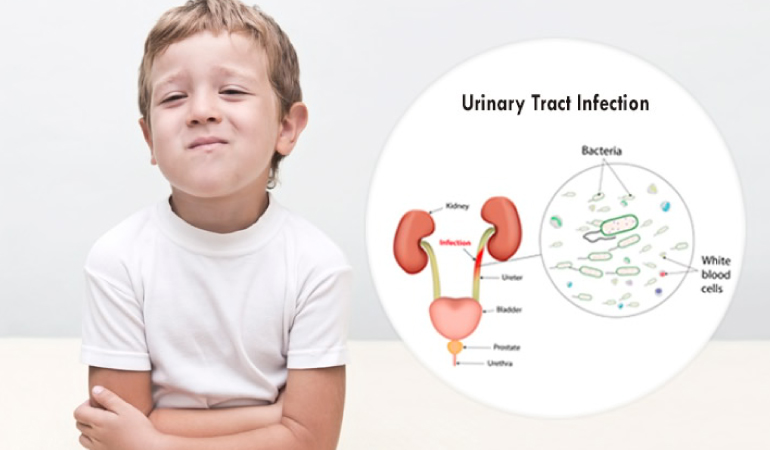
Preventing Urinary Tract Infections in Kids: Tips for Parents

Introduction: Urinary tract infections (UTIs) can be a common and uncomfortable condition for children. As a parent, you play a crucial role in preventing UTIs and ensuring your child’s urinary health. In this article, we will discuss practical tips and strategies that can help reduce the risk of UTIs in kids, promoting their overall well-being.

  1. Encourage Hydration: One of the simplest yet effective ways to prevent UTIs is to encourage your child to stay hydrated. Drinking an adequate amount of water helps flush out bacteria from the urinary tract, reducing the chances of infection. Ensure your child has access to water throughout the day and make it a habit to offer regular drinks, especially during hot weather or physical activity.
  2. Promote Good Hygiene Practices: Teaching and reinforcing good hygiene practices is essential for preventing UTIs. Encourage your child to practice proper wiping techniques after using the toilet, emphasizing the importance of wiping from front to back. This helps prevent the spread of bacteria from the anal area to the urethra, reducing the risk of infection.
  3. Avoid Irritants: Certain products and substances can irritate the urinary tract and increase the likelihood of UTIs. Avoid using harsh soaps, bubble baths, and scented hygiene products in the genital area, as they can disrupt the natural balance of bacteria and irritate the urethra. Opt for gentle, unscented products instead.
  4. Promote Regular Bathroom Breaks: Encourage your child to empty their bladder regularly, as holding urine for extended periods can increase the risk of UTIs. Encourage them to use the restroom when they feel the urge to urinate and ensure they have access to clean and hygienic facilities, especially in school or public settings.
  5. Choose Comfortable Clothing: Tight-fitting clothes and synthetic materials can trap moisture and create an environment favorable for bacterial growth. Opt for loose-fitting, breathable clothing, particularly in the genital area, to promote air circulation and reduce the risk of UTIs.
  6. Maintain a Balanced Diet: A healthy, balanced diet plays a crucial role in boosting your child’s immune system and promoting overall health, including urinary health. Ensure your child consumes a variety of fruits, vegetables, whole grains, and lean proteins. This helps strengthen the immune system, making it more capable of fighting off infections.
  7. Teach Proper Bathroom Habits: Educate your child about the importance of proper bathroom habits. This includes complete bladder emptying during each trip to the restroom and avoiding “holding it in” for prolonged periods. Reinforce the importance of washing hands before and after using the toilet to minimize the spread of bacteria.

Conclusion: Preventing urinary tract infections in children requires a proactive approach that involves promoting healthy habits and maintaining good hygiene practices. By following these simple yet effective tips, parents can significantly reduce the risk of UTIs and help their children maintain optimal urinary health. Remember, if your child experiences persistent urinary symptoms or suspected UTI, consult a healthcare professional for proper evaluation and treatment.

[Include a Call-to-Action: Contact our clinic/hospital for further guidance on promoting urinary health and preventing UTIs in children. Our expert team is here to support you and your child’s well-being.]

This blog post provides practical tips for parents on preventing urinary tract infections in children. The content is designed to be SEO friendly while providing valuable information in a clear and concise manner.

Understanding Appendicitis in Children: Symptoms, Diagnosis, and Treatment

Introduction: Appendicitis is a common and potentially serious condition that can affect children of all ages. Recognizing the symptoms, understanding the diagnostic process, and knowing the treatment options are crucial for prompt and effective management. In this article, we will explore the various aspects of appendicitis in children, providing valuable insights for parents and caregivers.

Symptoms of Appendicitis: Identifying the symptoms of appendicitis in children can be challenging as they may vary from one child to another. However, there are common signs to watch out for. These include abdominal pain, especially around the belly button or lower right abdomen, loss of appetite, nausea, vomiting, fever, and a general feeling of discomfort. It is important to note that not all children will experience all of these symptoms.

Diagnosing Appendicitis: When a child presents with symptoms suggestive of appendicitis, a thorough diagnostic evaluation is crucial. The healthcare provider will perform a physical examination, assessing the abdomen for tenderness, rigidity, and signs of inflammation. Additional diagnostic tests such as blood tests, ultrasound, or CT scan may be ordered to confirm the diagnosis and rule out other possible causes of abdominal pain.

Treatment Options: Surgical removal of the inflamed appendix, known as appendectomy, is the most common and effective treatment for appendicitis in children. In uncomplicated cases, the surgery is typically performed using minimally invasive techniques, such as laparoscopy, which results in smaller incisions, less postoperative pain, and faster recovery. In more complex cases or when complications arise, an open appendectomy may be necessary.

Postoperative Care and Recovery: After the appendectomy, proper postoperative care is essential for a smooth recovery. This may involve pain management, monitoring for any signs of infection, ensuring adequate fluid intake, and gradually reintroducing a normal diet. The child will be advised to take it easy for a certain period and gradually resume regular activities as directed by the healthcare provider.

Preventing Appendicitis: While appendicitis is not entirely preventable, certain measures may help reduce the risk. Encouraging a diet rich in fiber, regular exercise, and maintaining good hygiene practices can contribute to overall digestive health. However, it is important to note that appendicitis can still occur despite these preventive measures, as it is often caused by an obstruction of the appendix.

Conclusion: Understanding the symptoms, diagnostic process, and treatment options for appendicitis in children is crucial for timely and effective management. If your child exhibits symptoms that raise concerns about appendicitis, it is essential to seek prompt medical attention. Early diagnosis and appropriate treatment significantly improve outcomes and reduce the risk of complications. By being informed and proactive, parents and caregivers can play a vital role in safeguarding their children’s health.

Remember, if you suspect appendicitis or have any concerns about your child’s health, always consult a qualified healthcare professional for proper evaluation and guidance.

[Include a Call-to-Action: Contact our clinic/hospital to schedule a consultation if you suspect appendicitis in your child. Our expert team is here to provide timely and compassionate care.]

This blog post provides information on appendicitis in children, covering key aspects such as symptoms, diagnosis, treatment options, and preventive measures. The content is structured in a way that is SEO friendly, providing valuable information while being easy to read and understand.